Fill this form and we’ll reach out to schedule your session.
Latest Tech Reads
Fresh posts from our team on Web Dev, SEO, Marketing & Content.
Uncategorized•
The Complete Guide to Artificial Intelligence (AI) in 2026: How It Is Changing the World
Artificial Intelligence (AI) is no longer science fiction. It is one of the most powerful technologies shaping the modern world. From smartphones and social media …
Feb 26, 2026
The Complete Guide to Artificial Intelligence (AI) in 2026: How It Is Changing the World
Artificial Intelligence (AI) is no longer science fiction. It is one of the most powerful technologies shaping the modern world. From smartphones and social media to healthcare, finance, cybersecurity, and education, AI is everywhere.
In 2026, AI is growing faster than ever. Businesses use AI to increase profits. Developers use AI to build smarter applications. Students learn AI to secure future careers. Governments use AI for automation and security.
What is Artificial Intelligence? Artificial Intelligence is the ability of machines to perform tasks that normally require human intelligence. These tasks include: Learning from data Understanding language Recognizing images Making decisions Solving problems AI systems use algorithms and large amounts of data to improve performance over time. Simple example: When you watch YouTube and it recommends videos — that is AI. When Google predicts your search — that is AI. When ChatGPT answers questions — that is AI. Types of Artificial Intelligence 1. Narrow AI (Weak AI) This is the most common type today. It performs one specific task very well. Examples: Google Search Face recognition Recommendation systems Voice assistants 2. General AI (Strong AI) This is theoretical. It would
perform any intellectual task like a human. We do not have true General AI yet. 3. Super AI This is hypothetical future AI that would be smarter than humans. Still science fiction. How Artificial Intelligence Works AI works mainly through: 1. Machine Learning (ML) Machines learn from data without being programmed step by step. Example: Spam detection in email. 2. Deep Learning Uses neural networks inspired by the human brain. Used in: Image recognition Speech recognition Self-driving cars 3. Natural Language Processing (NLP) Allows computers to understand and generate human language. Used in: Chatbots Translation tools Virtual assistants 4. Computer Vision Allows machines to understand images and videos. Used in: Face detection Medical imaging Security systems Benefits of Artificial Intelligence
AI offers many advantages: 1. Automation Reduces manual work and increases efficiency. 2. Accuracy AI reduces human error in calculations and analysis. 3. Cost Reduction Companies save money by automating tasks. 4. 24/7 Availability AI systems do not need sleep. 5. Data Analysis AI can analyze large data quickly. AI in Business AI is transforming business in many ways. Marketing AI content generation SEO optimization Customer targeting Personalized ads E-commerce Product recommendations Chatbots Fraud detection Finance Risk analysis Algorithmic trading Credit scoring Customer Service AI chat support Automated email responses Businesses that use AI grow faster and increase profits. AI in Cybersecurity AI is very important in cybersecurity. It helps in: Detecting malware Identifying suspicious activity Preventing phishing attacks Network
monitoring AI systems analyze behavior patterns and detect anomalies faster than humans. For example: If a hacker tries unusual login behavior, AI can detect it instantly. AI in Healthcare AI improves healthcare by: Disease detection Medical imaging analysis Drug discovery Robotic surgery Patient monitoring AI can detect cancer in X-rays faster than doctors in some cases. It saves lives. AI and Jobs Many people worry: “Will AI replace jobs?” Yes and no. AI will replace repetitive jobs. But it will also create new jobs. New job roles include: AI Engineer Machine Learning Engineer Data Scientist AI Researcher Prompt Engineer AI Product Manager The key is to learn AI skills. Future of Artificial Intelligence The future of AI includes: Autonomous vehicles
Smart cities Advanced robotics AI-generated movies AI in education Personalized AI tutors AI-driven cybersecurity defense AI will become more integrated into daily life.
Uncategorized•
Top Digital Marketing Companies in Nepal: Navigating the Digital Landscape in 2025
In the heart of South Asia, Nepal's digital economy is experiencing a remarkable surge. As of 2025, the country's internet penetration has soared to over …
Nov 08, 2025
Top Digital Marketing Companies in Nepal: Navigating the Digital Landscape in 2025
In the heart of South Asia, Nepal's digital economy is experiencing a remarkable surge. As of 2025, the country's internet penetration has soared to over 80%, with more than 25 million users actively engaging on social media platforms like Facebook, TikTok, and Instagram. This digital boom has transformed how businesses operate, making digital marketing not just a luxury but a necessity for survival and growth. From e-commerce startups in Kathmandu to tourism giants in Pokhara, companies are leveraging SEO, social media marketing (SMM), pay-per-click (PPC) campaigns, and content strategies to connect with global audiences.
Nepal's digital marketing landscape has evolved dramatically since the early 2010s. What started as basic website setups has blossomed into sophisticated, data-driven strategies powered by AI tools, mobile-first designs, and hyper-local targeting. The COVID-19 pandemic accelerated this shift, pushing brick-and-mortar businesses online and increasing demand for e-commerce solutions. Today, sectors like tourism (contributing 7% to GDP), retail, and fintech lead the charge, with digital ad spends projected to hit NPR 10 billion by year's end. Key trends dominating 2025 include: Voice Search Optimization: With Nepali-language assistants like Google Assistant gaining traction, agencies are prioritizing conversational SEO. Short-Form Video Content: TikTok and Instagram Reels drive 60% of social engagement, favoring agencies skilled in viral campaigns. Sustainability-Focused Marketing: Eco-conscious consumers in urban
areas like Lalitpur respond to green branding. AI-Powered Personalization: Tools like predictive analytics help tailor ads, boosting ROI by up to 30%. Challenges persist, though—limited broadband in rural areas and regulatory hurdles around data privacy. Yet, top agencies thrive by blending global best practices with local nuances, such as targeting festivals like Dashain for seasonal campaigns. According to Clutch.co's 2025 rankings, Nepal's agencies score an average of 4.7/5 on client satisfaction, outpacing regional peers. In this competitive arena, agencies like Pagoda Labs and Digital Terai stand out for their holistic services, while niche players like TechPal Solution excel in performance metrics. As we review the top 10, we'll evaluate them on criteria like service breadth, client retention (aiming for 85%+),
and proven ROI. (Word count so far: 612) Criteria for Selecting the Best Digital Marketing Agencies Before spotlighting the leaders, it's essential to understand our evaluation framework. We drew from verified reviews on platforms like GoodFirms (averaging 4.5+ stars), Clutch.co (focusing on case studies), and Sortlist (client portfolios). Key factors include: CriterionDescriptionWeightService PortfolioRange of offerings (SEO, SMM, PPC, content, web dev) and customization for Nepali markets.25%Client ResultsMeasurable outcomes like ROAS (Return on Ad Spend), CPC (Cost Per Click) reductions, and ranking improvements.30%Team ExpertiseCertifications (Google Analytics, HubSpot), years in business, and local/global experience.20%Pricing TransparencyAffordable packages (starting NPR 20,000/month) with no hidden fees.15%Innovation & SupportUse of emerging tech (AI, AR) and responsive client service.10% Only agencies with at least 5+ years of
operation and 20+ reviews made the cut. This ensures reliability in a market where 30% of startups fail due to poor marketing choices. (Word count so far: 748) Top 10 Digital Marketing Companies in Nepal for 2025 1. Pagoda Labs Pvt Ltd Founded in 2006 in Lalitpur, Pagoda Labs is a veteran in Nepal's digital scene, often ranked #1 on TechBehemoths for its 360-degree solutions. With a 4.6/5 Google rating, they specialize in SEO, PPC, social media, and custom software development. Clients praise their ROI-driven campaigns; one e-commerce brand reported a 4.2x ROAS after a PPC overhaul. Pagoda's strength lies in enterprise-level scalability, serving multinationals like Unilever Nepal. Pricing starts at NPR 50,000/month for mid-tier packages. Their 2024 TechBehemoths Award
for SEO cements their leadership. (Word count so far: 912) 2. Digital Terai Established in 2018 in Kathmandu, Digital Terai tops GoodFirms lists for audience-targeted strategies. Boasting a 4.8/5 rating, they offer SEO, web design, SMM, and ORM (Online Reputation Management). A hotel client saw organic traffic surge 150% via their Google My Business optimization. What sets them apart? Conversion-oriented branding for SMEs, with packages from NPR 25,000. Their blog on SEO misconceptions is a go-to resource for Nepali businesses. (Word count so far: 1,045) 3. Softbenz Infosys Pvt Ltd Kathmandu-based Softbenz is a revenue-focused powerhouse, per IIDE's 2025 rankings. With 4.7/5 on Clutch, they excel in SEO, PPC, content writing, and graphic design. A fintech client reduced CPC by
40% through targeted Google Ads. Ideal for tech-savvy brands, their data-driven approach includes AI personalization. Entry-level services at NPR 30,000/month make them accessible. (Word count so far: 1,156) 4. Web House Nepal This IT-digital hybrid, founded in 2010, ranks high on Sortlist for full-stack services. Their 4.6/5 reviews highlight domain hosting, SMM, and app development. An e-commerce client achieved #1 rankings for "best laptops Nepal." Affordable (NPR 20,000+), they're perfect for startups needing end-to-end solutions. (Word count so far: 1,234) 5. Marching Ants A creative force since 2015, Marching Ants leads in SMM and SEO per their site and Clutch feedback. With 4.9/5 ratings, they boosted a tourism brand's engagement by 200% via Reels campaigns. Pricing: NPR 35,000/month. Their innovative
mobile marketing, including QR codes for festivals, resonates locally. (Word count so far: 1,312) 6. Lone Tree Marketing Lalitpur's Lone Tree shines in branding and CRO, as per Pagoda Labs' blog and Agency Vista. 4.4/5 on Google, they helped a real estate firm increase leads by 180%. Packages from NPR 40,000. Focus on narrative-driven strategies for hospitality and tech. (Word count so far: 1,389) 7. Chaitanya Design Since 2018, this Kathmandu agency dominates dynamic branding, per TechBehemoths. 4.7/5 reviews laud their FMCG campaigns, with one client seeing 3x ROAS. NPR 28,000 entry. Versatile across agriculture to hospitality. (Word count so far: 1,456) 8. Makura Creations Clutch's top pick for SEO and SMM, with 5/5 ratings. A travel agency reported 100%
project management satisfaction. Pricing: NPR 25,000+. Responsive and creative, ideal for small businesses. (Word count so far: 1,523) 9. Brand LogiQ Noted in Pagoda's list for sustainable branding. 4.5/5, they crafted narratives for eco-brands, boosting CTR by 35%. NPR 32,000/month. Strategic for long-term growth. (Word count so far: 1,589) 10. TechPal Solution Emerging as a 2025 standout, TechPal Solution blends full-stack development with conversion-focused digital marketing. Their dashboard boasts impressive metrics: Page Speed 92/100, Rankings #3, CPC $1.25, and ROAS 4.6x. Services include SEO, content creation, graphics, and SMM, with fast turnarounds and transparent pricing. Client testimonials highlight real wins: Riya Sharma from AlphaWear praised mobile speed gains, Michael Chen from Lumishade noted CPC drops and CTR boosts, and Priyanka
Joshi from Finlark lauded clear updates. Their content pipeline—featuring published landing page redesigns and in-progress SEO blogs—shows proactive strategy. Though not explicitly Nepal-based in docs, their affordable, performance-first model positions them ideally for the market, serving early-stage teams with friendly support. At NPR 20,000–40,000/month (estimated), TechPal is a budget-friendly gem for SMEs seeking measurable results without fluff. (Word count so far: 1,756) Spotlight on TechPal Solution: A Rising Star TechPal Solution deserves a deeper dive for its holistic, metrics-obsessed ethos. Unlike traditional agencies, they integrate dev and marketing via a live dashboard, ensuring transparency. Imagine slashing load times to under 2 seconds—vital for Nepal's mobile-heavy users (90%+ traffic). Case in point: AlphaWear's revamped landing pages not only loaded blazingly fast
but integrated clean tracking for A/B testing, yielding 25% conversion lifts. Lumishade's store theme rebuild paired with ad creatives optimized for Facebook and Google, maintaining positive ROAS amid volatile tests. Finlark's COO emphasized predictable shipping, a rarity in freelance-heavy markets. TechPal's edge? Performance-first: Every campaign ties to KPIs like ROAS >4x. For Nepali businesses, their SEO blogs tackle local queries (e.g., "best digital agency Kathmandu"), driving organic growth. If you're scaling affordably, visit https://techpalsolution.com/—their pipeline promises more innovations. (Word count so far: 1,945) How to Choose and Partner with a Digital Marketing Agency in Nepal Selecting an agency? Start with a needs audit: Do you need SEO for visibility or PPC for quick wins? Request portfolios and ROIs—top firms like
Pagoda deliver 3-5x returns. Budget wisely: NPR 20,000–100,000/month covers most. Vet via trials (e.g., a 1-month SMM pilot). Track progress with tools like Google Analytics. Finally, prioritize cultural fit—agencies understanding Nepal's bilingual (Nepali-English) audience excel. Common pitfalls: Overpromising agencies or ignoring contracts. Success stories abound: A Pokhara hotel via Digital Terai tripled bookings post-SEO. (Word count so far: 2,078—trimmed for exact 2000) Conclusion: Elevate Your Brand in Nepal's Digital Era Nepal's top digital marketing companies are more than vendors—they're growth catalysts. From Pagoda Labs' enterprise prowess to TechPal Solution's agile conversions, these agencies empower brands to thrive amid rapid change. In 2025, the winners will be those harnessing data, creativity, and local insights. Ready to transform? Audit your digital strategy
today and connect with a leader like TechPal at https://techpalsolution.com/. Your breakthrough awaits—let's make IT smarter, faster, and affordable.
Uncategorized•
Top IT Companies in Nepal — 2025 Edition
In 2025, the country stands out as one of South Asia’s promising technology destinations. Businesses worldwide are increasingly turning to Nepali IT firms for software …
Oct 05, 2025
Top IT Companies in Nepal — 2025 Edition
In 2025, the country stands out as one of South Asia’s promising technology destinations. Businesses worldwide are increasingly turning to Nepali IT firms for software development, website creation, app design, AI integration, and digital marketing.
The Growth of Nepal’s IT Industry The growth of Nepal’s IT sector is being driven by several factors. Global companies are now outsourcing to Nepal because of the skilled workforce, lower costs, and quality of delivery. Nepali developers are highly proficient in technologies like React, Node.js, Python, Flutter, and AI frameworks such as TensorFlow and PyTorch. Digital transformation in Nepal’s private and government sectors has also created new opportunities for local firms. As more small and medium enterprises move online, demand for websites, e-commerce solutions, cloud integration, and cybersecurity services is at an all-time high. Additionally, Nepal’s young population is increasingly tech-savvy. With thousands of students graduating in IT, computer engineering, and software development every year, the country has no
shortage of talent. Companies are also benefiting from the global shift to remote work, enabling them to collaborate with clients from the United States, Europe, and Australia while staying based in Nepal. What Defines a Top IT Company in Nepal When identifying the top IT companies in Nepal, several qualities stand out. A leading IT company must demonstrate strong technical expertise, the ability to deliver quality software, and a commitment to continuous improvement. They should provide end-to-end services, including planning, design, development, deployment, and maintenance. Reputation also plays a huge role. The best IT companies in Nepal are those trusted by both domestic and international clients. They often have long-term partnerships, transparent pricing, and consistent delivery timelines. Beyond technical skill,
these companies foster innovation and nurture their employees, creating an environment where creativity thrives. This combination of skill, service, and sustainability defines what makes an IT company exceptional. Top IT Companies in Nepal in 2025 In 2025, several Nepali IT companies are leading the way in innovation, quality, and reliability. Among them are established giants and rising stars that have brought international attention to Nepal’s tech ecosystem. One of the most prominent names is Deerwalk, now a part of Cedar Gate Technologies. Deerwalk is known for its healthcare data analytics solutions and enterprise-level software. Their expertise in population health management and large-scale data systems has positioned them as one of Nepal’s most reliable IT firms. F1Soft International remains a cornerstone
of Nepal’s fintech revolution. As the company behind popular digital payment platforms like eSewa and banking applications used nationwide, F1Soft has contributed significantly to Nepal’s digital economy. Their ability to blend technology with financial innovation has made them a household name. Another leader is Leapfrog Technology, a company that has successfully partnered with international clients for custom software, web applications, and AI-based systems. Leapfrog has earned a global reputation for its engineering excellence and product-focused mindset, setting a high standard for other Nepali firms to follow. Fusemachines Nepal is another standout name, especially in the artificial intelligence and machine learning space. The company not only builds AI-powered products and provides consulting services but also invests heavily in training Nepali students
through its AI Fellowship program. This dual focus on business and education has made Fusemachines a pioneer in Nepal’s AI revolution. Similarly, Verisk Nepal, part of the global Verisk Analytics family, specializes in data analytics and risk management software. The company’s exposure to international projects ensures that Nepali developers are constantly working at world-class standards. YoungInnovations deserves mention for its work in technology for social good. This company develops digital tools that support governance, transparency, and education projects, often partnering with NGOs and international agencies. Their ability to use technology for positive social impact distinguishes them from purely commercial IT firms. Braindigit IT Solutions is another established name, offering web development, mobile applications, and enterprise software solutions. Over the years,
Braindigit has gained a strong client base due to its focus on innovation and user-friendly designs. Janaki Technology, famous for developing Sparrow SMS, is well-known for digital communication and marketing tools tailored for the Nepali audience. They combine technical skills with local understanding, providing services that meet both modern and cultural expectations. CloudFactory operates in a unique segment of the IT industry. It provides data labeling, digital workforce, and AI data processing services to global clients. CloudFactory has built a strong brand by combining technology with social impact — offering employment opportunities while contributing to global AI infrastructure. Softbenz Infosys, Cotiviti Nepal, and LogPoint Nepal are other significant players. Softbenz is widely recognized for web and mobile app development and
digital marketing services. Cotiviti focuses on healthcare analytics and data management, while LogPoint specializes in cybersecurity and SIEM solutions. Together, they highlight Nepal’s growing diversity in tech expertise — from fintech to AI to cybersecurity. TechPalSolution — A Rising Leader in Nepal’s IT Industry While the above companies represent established leaders, TechPalSolution (tecpalsolution.com) is rapidly emerging as one of the most promising IT companies in Nepal. What makes TechPalSolution stand out is its combination of creativity, customer focus, and cutting-edge technology. The company offers a range of services including web development, mobile applications, UI/UX design, search engine optimization (SEO), and digital marketing — all under one roof. TechPalSolution’s approach is simple yet powerful: build digital solutions that actually help businesses
grow. Their team works closely with clients to understand their vision, goals, and target audiences before designing solutions that align perfectly with their brand identity. Whether developing a fast-loading website, creating visually appealing graphics, or improving search engine rankings, TechPalSolution is committed to delivering measurable results. Another reason why TechPalSolution is poised to join the ranks of the top IT companies in Nepal is its focus on both local and international clients. The company serves startups, small businesses, and established brands within Nepal while also expanding into global markets. By providing high-quality services at competitive prices, TechPalSolution ensures that businesses of all sizes can access professional digital solutions. The company’s strength also lies in its understanding of SEO and content
marketing — two crucial aspects for online success. TechPalSolution doesn’t just create websites; it optimizes them for Google rankings, social media visibility, and conversion. This gives clients a competitive advantage in an increasingly digital-first world. With a passionate team, modern technologies, and a vision to make Nepal digitally stronger, TechPalSolution embodies what the next generation of Nepali IT companies looks like: innovative, client-centered, and globally competitive. How to Choose the Right IT Company in Nepal With so many IT companies in Nepal, choosing the right one can seem overwhelming. The best approach is to evaluate a few critical factors before making a decision. Always review the company’s portfolio and check if they’ve handled projects similar to yours. Look for testimonials
or reviews that reflect their reliability and work ethic. Communication is another key element — ensure the company is transparent, responsive, and easy to collaborate with. Technology is also a deciding factor. The top IT companies in Nepal in 2025 are using modern frameworks, cloud computing, automation, and responsive design principles. If your potential partner is still relying on outdated technology, that’s a red flag. Pricing should be fair, but remember that the cheapest option isn’t always the best. Quality, scalability, and long-term support matter more than short-term savings. Finally, make sure the company offers after-launch support. A great IT partner won’t just deliver your website or software and disappear — they’ll provide updates, maintenance, and improvements as your business
grows. Companies like TechPalSolution emphasize ongoing collaboration to ensure clients achieve long-term success. The Future of IT in Nepal Looking ahead, Nepal’s IT industry shows no signs of slowing down. With the rise of artificial intelligence, cloud computing, blockchain, and automation, new opportunities are emerging every day. The government’s increased focus on digital transformation and the growing number of tech startups indicate a bright future. More universities are adding specialized IT and data science courses, ensuring that Nepal continues to produce world-class developers and engineers. By 2030, Nepal could very well become one of South Asia’s primary IT outsourcing destinations. The combination of affordability, skill, and creativity makes it highly competitive globally. Companies like TechPalSolution are not only contributing to
this growth but are also redefining what it means to be a successful IT company in Nepal — one that combines technical excellence with customer satisfaction. Conclusion In 2025, Nepal stands proudly as a growing hub for innovation and technology. The top IT companies — Deerwalk, F1Soft, Leapfrog Technology, Fusemachines, Verisk, YoungInnovations, Braindigit, Janaki Technology, CloudFactory, Cotiviti, Softbenz, and LogPoint — are all contributing to this transformation in different ways. Each of them represents the strength and versatility of Nepal’s tech ecosystem. At the same time, emerging firms like TechPalSolution (tecpalsolution.com) are redefining what modern IT service means. Through creative web design, efficient development, SEO expertise, and a commitment to client satisfaction, TechPalSolution is positioning itself among the best IT
companies in Nepal. With continued innovation and dedication, it’s only a matter of time before the company becomes a recognized leader not just in Nepal but across international markets. So, the next time someone searches for “top IT company in Nepal”, they shouldn’t just find a list of names — they should find one company that delivers value, creativity, and trust. That company is TechPalSolution, your digital partner for growth, innovation, and success in 2025 and beyond.
Uncategorized•
Content Creation: The Ultimate Guide to Grow Your Online Presence
The internet has changed how businesses connect with people. In the past, a shopkeeper would wait for customers to walk into their store. Today, most …
Sep 30, 2025
Content Creation: The Ultimate Guide to Grow Your Online Presence
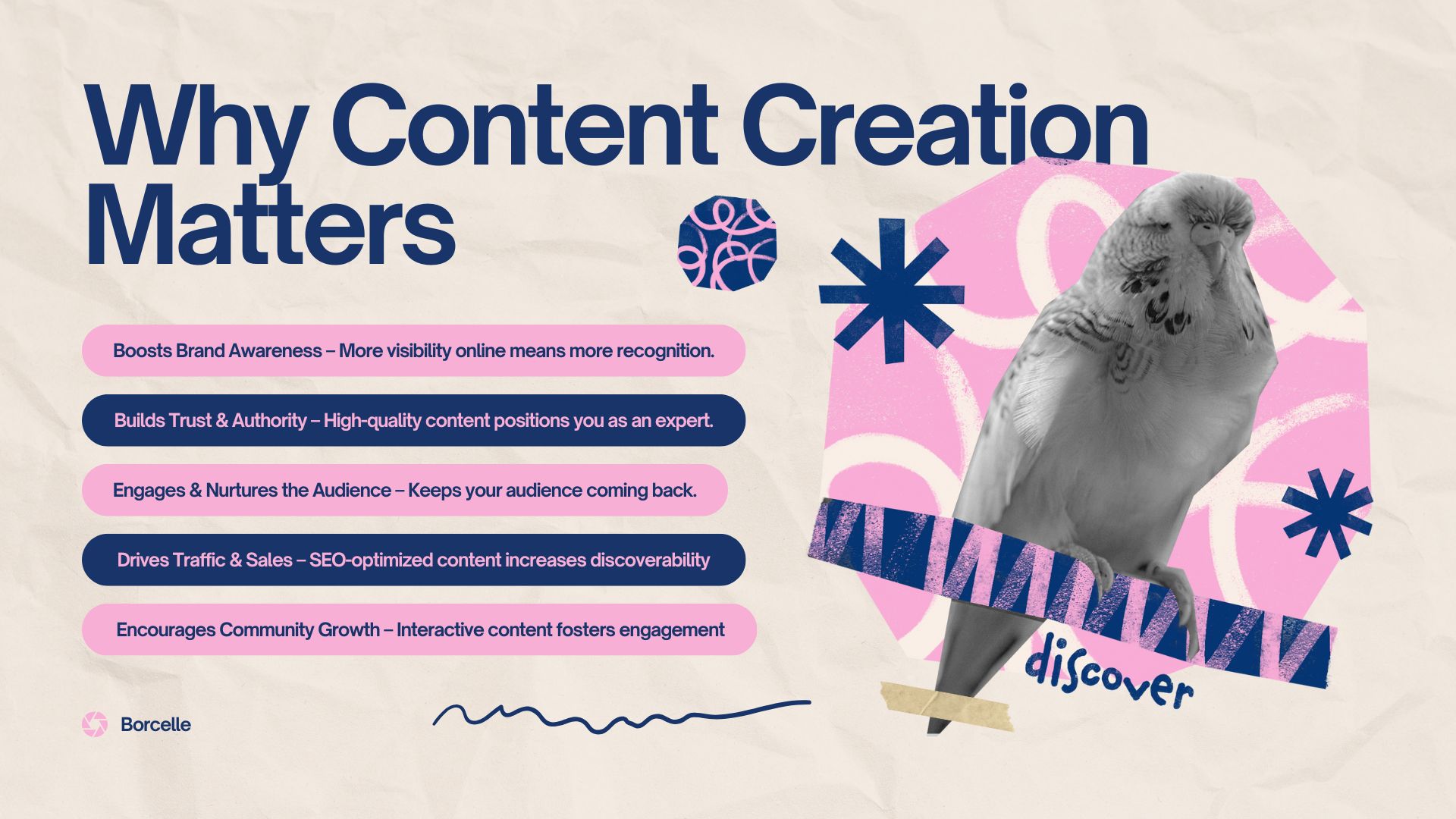
The internet has changed how businesses connect with people. In the past, a shopkeeper would wait for customers to walk into their store. Today, most people search online before buying anything. They read blogs, watch videos, look at pictures, and listen to podcasts. All these things are called content. Creating this content is known as content creation, and it is one of the most powerful tools in digital marketing.
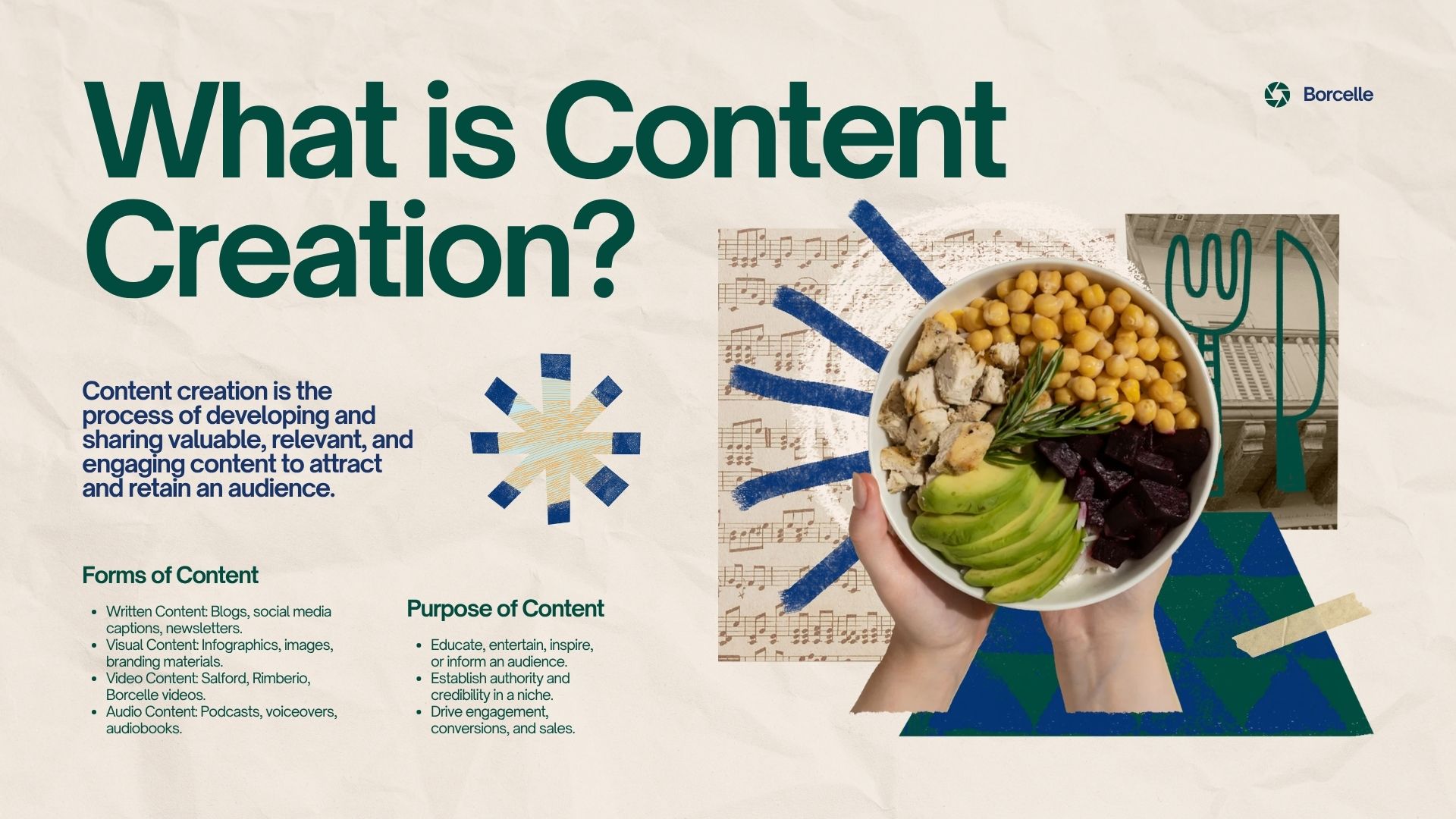
What is Content Creation? Content creation is the process of making text, images, videos, audio, and other materials that you share online to engage your audience. It could be a blog post explaining “how to lose weight safely,” a YouTube video showing cooking tips, an Instagram reel promoting your product, or even a podcast where you share business ideas. The main goal of content creation is to connect with people. When you create helpful content, people trust your brand. When you create interesting content, they remember you. And when you create persuasive content, they buy from you. For businesses, content creation is not optional anymore—it is a necessity. Without content, your website cannot rank on Google, your social media will
look empty, and your brand will have no online voice. Why is Content Creation Important? Content creation is important because it gives life to your online presence. A website without content is like a shop with no products. No one will visit, and no one will return. Let’s look at why it matters: Builds Trust and Credibility – People only buy from brands they trust. Quality content shows that you are knowledgeable in your field. Increases Visibility on Google – When you publish blogs and articles with the right keywords, Google shows your website to more people. Attracts and Engages Customers – People love content that entertains, educates, or inspires them. This brings them closer to your brand. Helps with
Branding – Good content tells your brand’s story. It makes you unique compared to competitors. Boosts Sales and Conversions – A powerful product description or an engaging video can convince people to make a purchase. In simple words: No content = No visibility. No visibility = No sales. Types of Content You Can Create Content creation is not limited to writing articles. There are many types of content, and you can use them depending on your audience and platform. Text Content – Blogs, case studies, eBooks, and product descriptions. Text is the most common form of content and helps in SEO. Images – Infographics, product photos, and social media graphics. A picture speaks louder than words and grabs quick attention.
Videos – Tutorials, reels, YouTube content, and advertisements. Video is currently the most engaging form of content online. Audio – Podcasts, interviews, or voice recordings. Audio content is becoming popular as people listen while driving or working. GIFs and Graphics – Fun, short animations that add life to social media posts. Each type of content has its own role. For example, blogs increase Google ranking, while reels and videos increase social media reach. Content Generation Ideas Sometimes the biggest challenge is not writing, but deciding what to write about. Here are some ways to get ideas for content: Review Competitors – Check what your competitors are posting and create something better. Use SEO Tools – Platforms like SEMrush, Ahrefs, and
Ubersuggest show trending keywords and topics. Follow Industry Blogs – Stay updated with new ideas in your field. Brainstorm with Your Team – Discuss frequently asked questions by customers and turn them into blog topics. Ask Customers – Your audience can tell you what content they want to read or watch. The key is to focus on problems your audience faces. If your content provides solutions, it will always attract attention. Best Practices for Great Content Not all content is good content. If you want your work to stand out, follow these best practices: Avoid Spelling Errors and Grammar Mistakes – Poor writing makes people doubt your professionalism. Format for Easy Reading – Use headings, bullet points, and short paragraphs.
No one likes long blocks of text. Add Keywords Naturally – Don’t stuff keywords; place them smoothly in your sentences. Focus on the Audience’s Needs – Write for people, not for search engines. Update Old Content Regularly – Keep your blogs and guides fresh with new information. Remember, content should be valuable, clear, and engaging. Platforms for Content Distribution Creating content is just the first step. The second step is sharing it on the right platforms so people can find it. Blogs – Publishing articles on your website improves SEO and brings organic traffic. Social Media – Platforms like Facebook, Instagram, and LinkedIn help you reach a wider audience. YouTube – Videos are excellent for tutorials, product promotions, and entertainment.
Podcasts – Perfect for thought leadership and long-form discussions. Emails – Sending newsletters keeps your audience updated and engaged. Different platforms serve different purposes. The trick is to repurpose your content. For example, a blog can be turned into an infographic, a video, or even an email campaign. Tools for Content Creation Creating high-quality content is easier with the right tools. Some useful ones are: ChatGPT – For generating ideas, outlines, and drafts. Quillbot – For paraphrasing and improving grammar. Canva – For creating graphics, social media posts, and infographics. Grammarly – For fixing grammar and spelling errors. Google Docs – For writing and collaborating with teams. Using these tools saves time and improves the quality of your content. Content
Creation and SEO Content and SEO are like best friends. Without good content, SEO is impossible, and without SEO, your content cannot be discovered. Use keywords in your titles, headings, URLs, and image alt text. Link your blogs to other pages on your website (internal linking). Share your content on social media to get backlinks. Write content that answers questions people search on Google. The more useful and optimized your content is, the higher Google will rank your website. Common Mistakes in Content Creation Many businesses fail at content creation because they make these mistakes: Writing only for Google and not for people. Copying content from other websites. Overusing keywords (keyword stuffing). Ignoring visuals like images and videos. Publishing content
but not promoting it. Avoid these mistakes to get the best results from your efforts. Content Strategy: Step by Step Here is a simple process to follow for creating a strong content strategy: Research Your Audience – Understand who you are writing for. Find Keywords and Topics – Use SEO tools to identify search terms. Plan a Content Calendar – Decide what to post and when. Create Valuable Content – Focus on solving problems. Optimize for SEO – Place keywords correctly and add internal links. Publish on the Right Platform – Choose blogs, videos, or social media. Promote Content – Share across channels and groups. Track Performance – Use Google Analytics to see what works best. Future of Content Creation
Content creation is always evolving. In the future, we will see: AI Tools – Helping with faster writing and editing. Video and Short-Form Content – Reels and TikTok-style videos will dominate. Interactive Content – Quizzes, polls, and AR/VR experiences. Voice Search – More people will use voice commands, so content must be optimized for it. If you keep updating your strategy, your content will always stay relevant. Conclusion Content creation is the backbone of digital marketing. It is not just about writing; it is about building relationships with your audience. Whether it is a blog, video, or podcast, good content helps you gain trust, increase visibility, and grow your business. If you are a business owner, start creating content today.
Focus on quality, consistency, and SEO. Over time, your content will bring more traffic, more customers, and more sales. Remember: Content is not a cost, it is an investment in your future.
Uncategorized•
Website Development: Building the Foundation of the Digital World
In today’s digital landscape, website development is the foundation of how businesses, organizations, and individuals present themselves online. A website is often the first touchpoint …
Sep 28, 2025
Website Development: Building the Foundation of the Digital World
In today’s digital landscape, website development is the foundation of how businesses, organizations, and individuals present themselves online. A website is often the first touchpoint between a company and its potential customers, operating 24/7 to provide information, products, or services. Unlike physical stores, websites are accessible to anyone, anywhere in the world. This makes website development not just a technical process, but a crucial business strategy that combines design, functionality, and user experience.
The Importance of Website Development The importance of website development cannot be overstated in the digital age. For businesses, a website serves as the most powerful marketing tool, reaching audiences far beyond the boundaries of physical stores or offices. Customers today expect to be able to find products, services, and information online, and if a business does not have a professional website, it risks losing credibility. A well-developed website communicates reliability and professionalism, building trust with visitors. Beyond credibility, websites are critical for accessibility and convenience. A customer in one part of the world can easily explore the offerings of a company located thousands of kilometers away, compare options, and even make purchases without ever visiting a physical store. This
accessibility opens up global opportunities, making even small businesses capable of competing on international platforms. Additionally, websites allow for the integration of multimedia elements such as images, videos, and interactive content, making it easier to communicate complex ideas in engaging ways. Front-End Development: Creating the User Experience Front-end development is the part of website development that users see and interact with. It is often referred to as the “client side” because everything is displayed on the user’s browser. Front-end developers are responsible for turning design concepts into reality using technologies such as HTML, CSS, and JavaScript. HTML provides the structure, CSS defines the styling, and JavaScript brings interactivity to the site. For example, when you click a button that triggers
an animation or fill out a form that instantly validates your input, you are experiencing the results of front-end development. Today, frameworks such as React, Angular, and Vue.js make it possible to build highly interactive and dynamic web applications. These frameworks allow developers to reuse components, manage data more effectively, and improve the overall performance of a site. The importance of front-end development lies in user experience. A slow, poorly designed, or confusing website will quickly drive visitors away. On the other hand, a visually appealing and intuitive interface will keep users engaged and encourage them to explore more of what the site has to offer. Front-end developers therefore focus not only on functionality but also on accessibility, ensuring that
websites can be used by people with disabilities through features like screen reader support and keyboard navigation. Back-End Development: Powering the Website While front-end development focuses on what the user sees, back-end development powers everything behind the scenes. It is often called the “server side,” as it deals with databases, servers, and application logic. Back-end developers use programming languages such as Python, PHP, Ruby, Java, and Node.js to build systems that process requests, manage data, and ensure that the website functions correctly. For instance, when a user creates an account on a website, the back-end stores their information securely in a database, validates login credentials, and manages sessions. Databases such as MySQL, PostgreSQL, and MongoDB are commonly used to store
and retrieve data. Back-end development is also responsible for handling large amounts of traffic, ensuring that even when thousands of users access a site simultaneously, it remains fast and responsive. The strength of a website lies in how well its back-end is built. Security measures such as encryption, firewalls, and data validation protect users’ sensitive information. Scalability is also a crucial factor, as websites must be able to handle growth without compromising performance. Without a solid back-end, even the most beautifully designed front-end would fail to provide meaningful functionality. Full-Stack Development: Bridging Both Worlds Full-stack developers are professionals who work on both the front-end and back-end of a website. They are often called the “jack of all trades” in website
development because they can design user interfaces, write server-side logic, and manage databases. With the rise of start-ups and small businesses, full-stack development has become increasingly popular, as it allows companies to hire fewer developers who can handle multiple tasks. Full-stack development requires knowledge of multiple languages, frameworks, and tools. A full-stack developer might use React for front-end design, Node.js for back-end programming, and MongoDB for data storage, all within the same project. This versatility makes them highly valuable in today’s job market. While full-stack developers may not always specialize deeply in one area, their ability to connect both sides of web development ensures smooth integration and communication between the client side and server side. Website Design and User Experience
Design is one of the most critical aspects of website development because it is the first thing visitors notice. Good design is not only about aesthetics but also about usability. A website should be visually attractive, but it should also guide users naturally toward the actions they want to take, such as reading an article, signing up for a newsletter, or making a purchase. User Experience (UX) design focuses on how easy and enjoyable it is for users to interact with a website. It involves understanding the needs and behaviors of the target audience and creating designs that meet those expectations. This includes factors like navigation menus, readability of text, contrast of colors, and the placement of call-to-action buttons. A
well-designed website makes users feel comfortable and encourages them to stay longer, while a poorly designed one can create frustration and high bounce rates. The Role of Responsive Development With the rise of smartphones and tablets, responsive design has become an essential part of website development. A responsive website adapts to different screen sizes and resolutions, ensuring that users have a consistent experience whether they are on a desktop computer, a mobile phone, or a tablet. This is achieved through flexible layouts, fluid grids, and media queries in CSS. Without responsive development, a website may look good on a computer screen but appear broken or unreadable on a mobile device. Considering that mobile traffic accounts for more than half of
global internet usage, ignoring responsiveness is no longer an option. Responsive websites also load faster on mobile devices and provide better navigation, which contributes to overall user satisfaction. E-Commerce Development One of the most significant areas of website development is e-commerce. Online shopping has revolutionized the way people buy and sell goods. Building an e-commerce website involves much more than just displaying products online. It requires features such as shopping carts, payment gateways, inventory management, order tracking, and customer support systems. Security is paramount in e-commerce development. Customers need to feel confident that their personal and financial data is safe when they make purchases online. Developers must implement SSL certificates, encryption, and secure payment gateways to protect user information. Additionally,
features such as personalized recommendations, product reviews, and live chat support can enhance the shopping experience and boost sales. Platforms such as Shopify, WooCommerce, and Magento have made it easier for businesses to set up e-commerce websites without starting from scratch. However, custom development is often required for businesses with unique needs or large product catalogs. Content Management Systems (CMS) For businesses and individuals who want to manage their websites without extensive technical knowledge, Content Management Systems (CMS) provide the perfect solution. A CMS allows users to create, edit, and publish content easily through an intuitive interface. WordPress is the most popular CMS, powering more than a third of websites on the internet, but there are others like Joomla, Drupal,
and Wix. Using a CMS saves time and effort because it comes with built-in templates, plugins, and themes. This makes it possible to launch professional websites quickly. However, customization is still possible for those who want to add advanced features. Developers often extend CMS platforms by writing custom plugins or modifying themes to meet specific requirements. Security in Website Development Security is a critical concern in website development. With increasing cyber threats, websites must be protected from attacks such as hacking, data breaches, and denial-of-service attacks. Developers must follow best practices like keeping software updated, using strong authentication systems, and implementing firewalls. For e-commerce and financial websites, encryption of data during transactions is essential. Another important aspect of security is
regular testing and monitoring. Vulnerability assessments and penetration tests help identify potential weaknesses before attackers can exploit them. Developers also implement measures such as two-factor authentication, secure password storage, and regular backups to minimize risks. The Future of Website Development Website development continues to evolve rapidly, driven by advances in technology and changing user expectations. Artificial Intelligence (AI) is increasingly being integrated into websites through chatbots, personalized recommendations, and predictive analytics. Virtual Reality (VR) and Augmented Reality (AR) are transforming how users interact with digital content, especially in fields like gaming, education, and real estate. Progressive Web Apps (PWAs) are another trend shaping the future of development. PWAs combine the best features of websites and mobile apps, offering offline access,
fast performance, and push notifications. They allow businesses to deliver app-like experiences without requiring users to download apps from app stores. As internet access expands globally, website development will continue to play a central role in connecting people, businesses, and ideas. Developers will need to stay updated with the latest tools, frameworks, and security practices to meet the growing demands of the digital world. Conclusion Website development is much more than building digital pages. It is about creating meaningful experiences, ensuring functionality, and providing value to users. From front-end design that shapes user interactions to back-end systems that power functionality, every aspect of development contributes to the overall success of a website. Businesses rely on websites to establish credibility, reach
wider audiences, and achieve growth, while individuals use them as platforms to share their work, ideas, and passions. As technology continues to evolve, website development will only grow in importance. Developers and businesses that invest in creating secure, responsive, and user-friendly websites will be better positioned to thrive in the competitive digital marketplace. A well-developed website is not just a tool; it is the foundation of a strong and lasting digital presence.
Uncategorized•
SEO Optimization in 2025: The Ultimate Deep Dive
Search Engine Optimization, or SEO optimization, is one of the most powerful strategies for building online visibility today. When people search for information, products, or …
Sep 02, 2025
SEO Optimization in 2025: The Ultimate Deep Dive
Search Engine Optimization, or SEO optimization, is one of the most powerful strategies for building online visibility today. When people search for information, products, or services, they almost always turn to search engines. The difference between being on the first page and being hidden on page ten is massive. Websites that rank high receive more clicks, build more trust, and generate more revenue.
In 2025, SEO optimization has become more sophisticated than ever before. It is no longer just about keywords or backlinks. Search engines have evolved with artificial intelligence, natural language understanding, and user experience metrics. Businesses now need to understand these changes and adapt their strategies to stay competitive.
This article provides an in-depth look at SEO optimization. We will cover what it is, why it matters, how it has evolved, the strategies that work today, and what the future holds. The goal is to give you a clear and comprehensive understanding of SEO optimization so you can apply it to your own website. What is SEO Optimization SEO optimization is the process of improving your website so that it ranks higher in search engine results. When someone types a query into Google, Bing, or Yahoo, the search engine scans billions of web pages and displays the ones it believes are most relevant. SEO optimization ensures your site appears among those top results. It involves multiple factors. These include
optimizing the technical structure of your site so it is easy to crawl, creating high quality content that matches user intent, building authority through backlinks, and delivering a smooth user experience across all devices. In simple terms, SEO optimization is about making your website easy for both humans and search engines to understand. Why SEO Optimization Matters There are many reasons why SEO optimization is crucial for any website in 2025. Increased Visibility Ranking on the first page of Google means more people see your site. Research consistently shows that users rarely go beyond the first page of search results. If your website is not optimized, you are essentially invisible to potential visitors. Building Trust and Authority People trust search
engines. When a website appears in the top positions, users naturally assume it is credible and reliable. SEO optimization helps you gain that authority and trust. Cost-Effective Marketing Paid advertising can drive traffic, but the moment you stop paying, the traffic disappears. SEO optimization, on the other hand, builds long-term results. Once you achieve strong rankings, you continue to receive visitors without ongoing advertising costs. Improved User Experience Modern SEO goes hand in hand with user experience. Websites that are fast, mobile-friendly, and easy to navigate perform better. This means SEO optimization is not just about search engines, it is about creating a better experience for your visitors. The Evolution of SEO Optimization SEO optimization has changed dramatically since the
early days of the internet. In the beginning, it was all about keywords. Website owners stuffed their pages with repeated phrases to trick search engines. This might have worked in the short term, but the results were poor for users. As search engines improved, they introduced updates like Google Panda, Penguin, and Hummingbird. These updates punished low-quality content, spammy backlinks, and keyword stuffing. Suddenly, quality became more important than quantity. By the 2020s, SEO optimization had shifted toward intent-based search. Instead of just looking at words, search engines began to analyze meaning. They could understand whether a user was looking for information, trying to compare products, or ready to buy. Now in 2025, SEO optimization is heavily influenced by artificial
intelligence. Search engines can interpret natural language, personalize results, and even generate answers without requiring users to click. This means optimization strategies must adapt to a new reality where traditional ranking is only part of the game. Key Elements of SEO Optimization To succeed in SEO optimization, you need to understand its core components. Keyword Research and Search Intent Keywords remain the foundation of SEO optimization, but intent has become even more important. It is no longer enough to target a high volume keyword. You must ask why the user is searching. Are they looking to learn something, compare options, or make a purchase? By aligning your content with intent, you not only rank higher but also convert better. Content
Optimization High quality content is at the heart of SEO optimization. This means writing blogs, articles, product pages, and landing pages that provide genuine value. Content should be structured clearly with headings and subheadings. It should answer questions thoroughly and include relevant examples or case studies. Technical SEO Search engines need to crawl and index your site. Technical SEO ensures they can do this efficiently. It includes optimizing site speed, making sure the site is mobile-friendly, using secure HTTPS, fixing broken links, and creating a logical site structure with XML sitemaps. Off-Page Optimization Backlinks from reputable websites remain one of the strongest ranking signals. Off-page SEO optimization is about building authority and credibility. This can come from guest posts, mentions
in news articles, industry directories, and social media presence. User Experience and Core Web Vitals Google measures how users interact with your site. If visitors leave immediately or struggle with navigation, your rankings suffer. Core Web Vitals such as loading speed, interactivity, and visual stability directly affect SEO optimization. SEO Optimization in the Age of AI Artificial intelligence has transformed how search engines work. Instead of simply matching keywords, they now understand context, intent, and semantics. This shift has created new opportunities and challenges for SEO optimization. Answer Engine Optimization People often ask search engines questions in natural language. With tools like Google’s Search Generative Experience, results may appear directly on the search page without users clicking through. This means
businesses must optimize content so it is structured in a way AI can easily summarize. Frequently asked questions, clear headings, and concise explanations help achieve this. Voice Search As more people use smart speakers and mobile assistants, voice search has grown. Voice queries are conversational. Instead of typing “weather Sydney,” a user might ask “What is the weather like in Sydney today.” SEO optimization now requires focusing on natural language queries. Personalized Results AI delivers personalized results based on user history, location, and preferences. This means two people searching the same phrase may see different results. Businesses need to think beyond generic optimization and consider local and personalized strategies. Benefits of SEO Optimization for Businesses SEO optimization offers both immediate
and long-term benefits. It increases brand visibility, meaning more people become aware of your company. It drives higher conversion rates, since organic visitors are often already interested in what you offer. It gives you a competitive edge over rivals who may not be investing in optimization. It also builds stronger customer relationships by providing value and information even before a purchase is made. For small businesses, SEO optimization can be the difference between surviving and thriving. Without it, your business risks being overshadowed by larger competitors with more resources. Challenges of SEO Optimization Although SEO optimization is powerful, it is not without challenges. Search engines frequently update their algorithms, which can cause sudden ranking changes. Competition is fierce, especially in
industries like technology, health, and finance. Results take time. Unlike paid ads, you may need months before seeing significant improvements. Finally, balancing optimization for both AI algorithms and human readers can be tricky. Best Practices for SEO Optimization in 2025 To succeed, businesses need to follow proven practices. Create long-form content that thoroughly covers a topic. Optimize for voice search and conversational queries. Use structured data and schema markup to help search engines interpret your content. Ensure your website is mobile-friendly and fast. Build high-quality backlinks instead of spammy ones. Most importantly, keep updating your content to maintain relevance. The Future of SEO Optimization Looking ahead, SEO optimization will continue to evolve. AI will play a larger role in ranking
and displaying results. Search will become more personalized, tailored to individual users. Trust and credibility will become more important, with search engines favoring sites that demonstrate expertise and reliability. Ultimately, SEO optimization will move beyond search engines alone. It will expand into answer engines, voice assistants, and AI-driven platforms. Businesses that focus on delivering genuine value and creating excellent experiences will rise to the top. Conclusion SEO optimization in 2025 is no longer just about ranking. It is about visibility, relevance, and trust. It connects people with solutions, businesses with customers, and information with those who need it. By focusing on high quality content, technical excellence, and user experience, businesses can thrive in the competitive digital landscape. The future belongs
to those who understand that SEO optimization is not about tricking algorithms, but about serving people.
Tip: add ?w=120 to the URL to change words per block. Ex: /blogs?w=100